



The Breakdown of Traditional Work-Life Balance
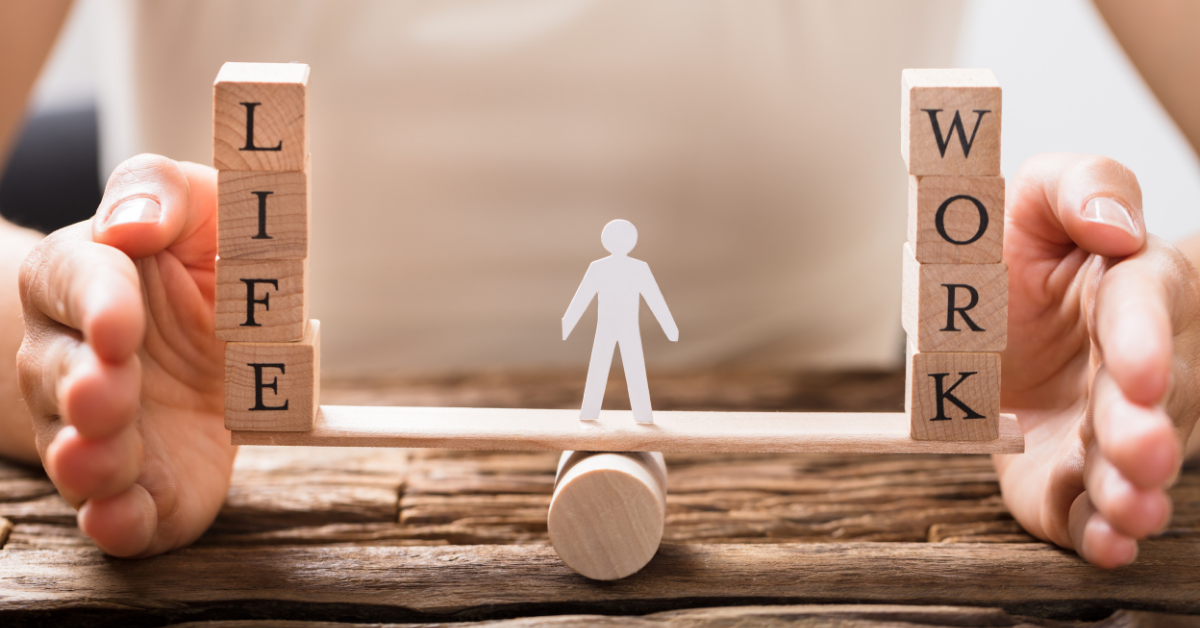
For decades, career guidance emphasized the ideal of “work-life balance”—a concept built on the premise that work and personal life exist as two equal, opposing sides of a scale. In the traditional 9-to-5 paradigm, the goal was to strictly divide the day into distinct compartments: eight hours for labor, eight hours for personal life, and eight hours for rest.
However, in today’s hyper-connected, hybrid, and remote working landscape, these rigid boundaries have largely dissolved. Smartphones, cloud computing, and flexible schedules mean work can happen anywhere, making strict separation nearly impossible. Attempting to force modern life into an outdated balance model often leads to frustration, guilt, and chronic professional burnout.
Defining the Work-Life Integration Paradigm
In response to this shifting reality, forward-thinking professionals and workplace strategists are embracing “work-life integration.” Rather than treating professional responsibilities and personal desires as competing forces, integration focuses on blending them harmoniously into a cohesive, flexible lifestyle blueprint. Work-life integration acknowledges that on certain days, career demands may require extra focus, while on others, personal obligations, health, or family milestones take priority.
Instead of striving for daily mathematical balance, integration measures harmony over longer time horizons, allowing individuals to design schedules that accommodate both professional excellence and personal fulfillment.
Energy Management Over Time Management
A core principle of smart life-designing is prioritizing energy management over basic time management. Traditional scheduling focuses solely on clock time—filling calendars with back-to-back meetings and task lists. Work-life integration, however, aligns daily tasks with an individual’s natural biological rhythms and energy fluctuations.
High-cognition tasks, strategy sessions, and deep creative work are scheduled during peak mental focus hours, while administrative duties, routine emails, and personal errands are routed into low-energy windows. By matching task difficulty to cognitive capacity, professionals achieve higher output in fewer hours, freeing up energy for family, fitness, and personal interests.
Leveraging Asynchronous Communication and Flexibility
Modern workplace technologies offer unprecedented schedule autonomy when utilized intentionally. Work-life integration leverages asynchronous communication tools—such as project management platforms and shared documents—to reduce the reliance on real-time, synchronous presence.
This flexibility enables remote and hybrid workers to design non-linear workdays. For example, a professional might take a two-hour mid-day break to attend a family event, exercise, or manage personal appointments, and subsequently complete focused deep work during quiet evening hours. Embracing non-linear productivity shifts the focus from “time spent at a desk” to actual, measurable results.
Establishing Intentional Micro-Boundaries
While integration offers flexibility, it also carries the risk of work bleeding perpetually into private life. To prevent constant availability, smart life-designing relies on clear micro-boundaries rather than rigid wall-building. This includes setting specific “unplugged” time blocks for family dinners, disabling work notifications on personal devices past designated hours, and creating dedicated workspace zones at home.
Communicating these availability windows clearly to colleagues and clients sets realistic expectations while protecting sacred personal time without compromising professional accountability.
Designing a Sustainable, Holistic Lifestyle
Work-life integration is not a static formula; it is an ongoing, dynamic calibration process. As personal priorities, family needs, and career stages evolve, lifestyle designs must adapt accordingly. By discarding the outdated pressure of daily balance and adopting a flexible, integrated mindset, modern professionals can eliminate the friction between work and personal identity. Designing a life that honors both professional drive and personal peace remains the definitive benchmark of long-term career sustainability and holistic well-being.