



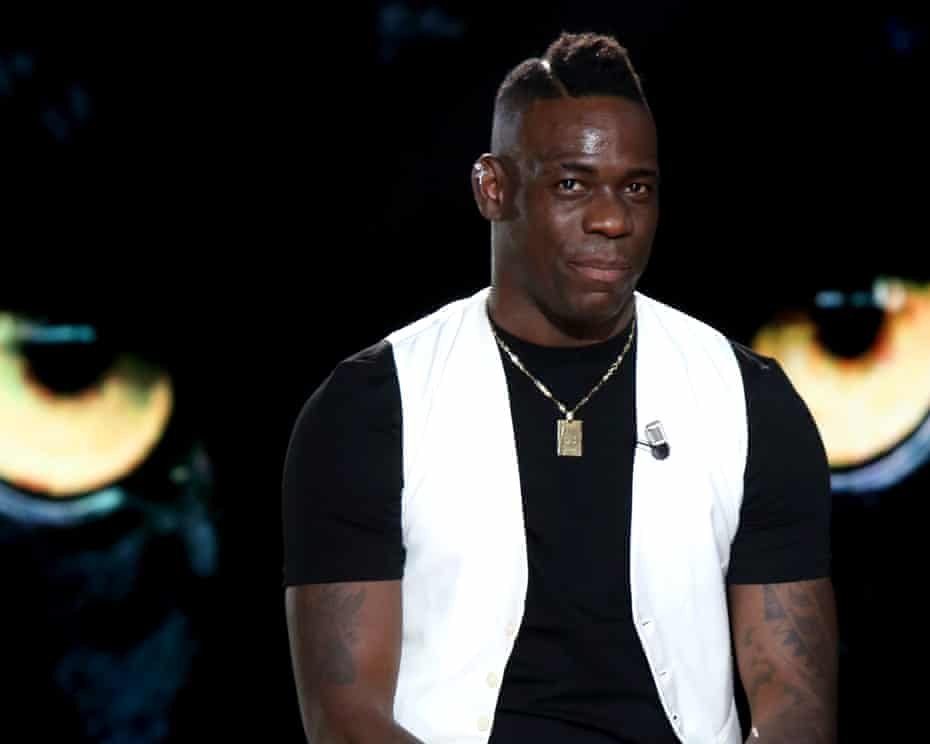
Mario Balotelli has never had a conventional football career. From becoming one of Italy’s most exciting young talents to experiencing controversy, major transfers and difficult periods away from the spotlight, the striker has lived through almost every extreme the sport can offer.
Now 36 and playing in the UAE, Balotelli appears to be looking at his career from a different perspective. In a reflective conversation, he discussed his journey, Italy’s football problems, his family and the lessons he wishes he had understood earlier.
Mario Balotelli Finds a Different Kind of Peace
Balotelli currently plays for Al Ittifaq in the UAE First Division, a move that he says was influenced by both his love for football and a personal ambition.
One important reason for the move was the opportunity to play alongside his brother, Enock Barwuah. For Balotelli, that experience carries an emotional significance that goes beyond football.
He also praised the infrastructure surrounding football in the UAE. However, he noted that the atmosphere can be different from what he experienced in European football, particularly when it comes to crowds and the relationship between supporters and clubs.
Looking Back at a Hectic Career
Balotelli’s career has included some of the biggest clubs and stages in European football. His time at Manchester City remains particularly memorable, especially his relationship with manager Roberto Mancini.
Despite the controversies that surrounded his career, Balotelli speaks warmly about Mancini and the bond they continue to share.
With retirement gradually becoming a more realistic possibility, the striker now seems less interested in proving himself to critics and more focused on enjoying football while he still can.
Italy’s Football Problem Goes Beyond the Pitch
One of Balotelli’s strongest concerns is the direction of Italian football.
Italy has struggled to maintain its traditional strength on the international stage, and Balotelli believes part of the problem begins much earlier than professional football.
He points to the decline of street football. When he was growing up, children spent hours playing in parks and streets, developing skills naturally through competition and improvisation.
Today, he believes smartphones, video games and structured lifestyles have reduced those opportunities.
For Balotelli, this isn’t simply about nostalgia. Informal football helped young players develop confidence, creativity and the ability to react instinctively—qualities that cannot always be reproduced through organized training.
What Balotelli Would Tell His Younger Self
Perhaps the most revealing part of Balotelli’s reflection is what he would say to his younger self.
He acknowledges that maturity brings perspective. Looking back, he wishes he had listened more carefully to people who genuinely wanted to help him and made different decisions at important moments.
That reflection shows how dramatically his priorities have changed.
The player once known for headlines and controversy now talks more about family, business and building a peaceful life after football.