



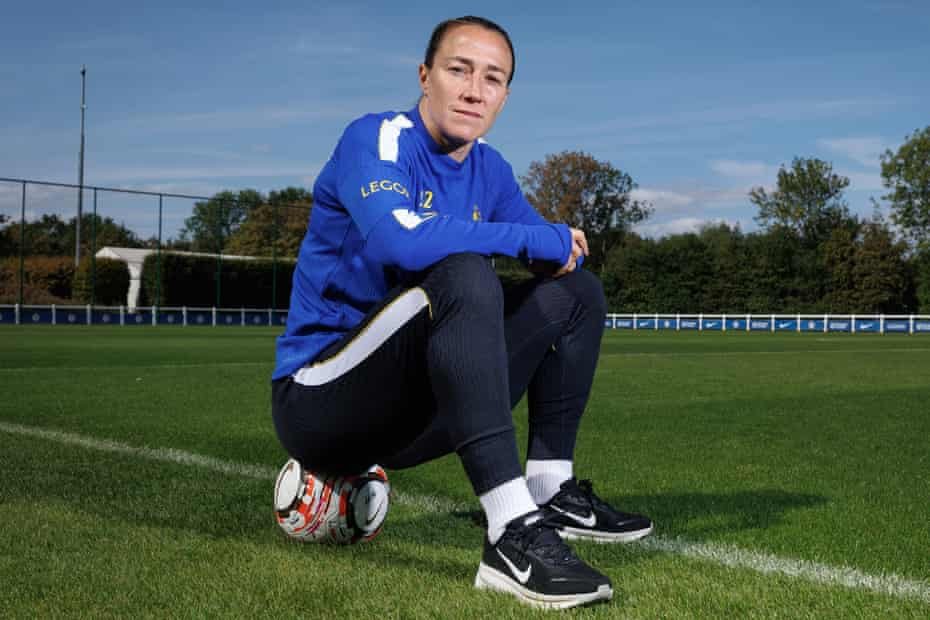
Lucy Bronze has never been someone who stays still for long. Whether she is training, working to improve women’s football or supporting causes away from the pitch, the Chelsea and England defender remains intensely driven.
As she prepares for another season with Chelsea, Bronze is balancing football ambitions with a growing role as an advocate for players and communities beyond the sport. Her recent work has included speaking out about Fifa and travelling to Colombia to meet Venezuelan refugees.
Lucy Bronze Wants Players to Speak Up
Bronze has become increasingly vocal about the direction of world football and the role players should have in shaping its future.
She has supported calls for change at the top of Fifa and has backed the possibility of European teams taking stronger action if necessary. For Bronze, the issue is not about protecting her own career but about ensuring that football remains healthy for future generations.
She believes players have a responsibility to use their influence when important decisions are being made.
Her involvement with the Professional Footballers’ Association, Fifpro and Uefa has also given her opportunities to contribute beyond the normal responsibilities of a professional footballer.
A Powerful Trip to Colombia
During a summer without a major women’s international tournament, Bronze finally completed a trip she had been hoping to make for several years.
Working with the UN Refugee Agency, she travelled to Colombia to meet refugees and migrants affected by the crisis involving Venezuela.
The experience left a lasting impression. Bronze spent time with children who had been forced to leave their homes and witnessed both the hardship they faced and their ability to find happiness in difficult circumstances.
One moment particularly stayed with her: children asking her to take them with her when she left.
Football Can Inspire Hope
Bronze also brought football shirts with her, including one from fellow player Naomi Girma.
Girma’s own family has a refugee background, and Bronze shared her story with a young girl who captained a boys’ football team. Seeing Girma’s journey gave the child an example of someone whose family had also experienced displacement but went on to achieve remarkable success.
For Bronze, moments like this demonstrate how football can become more than a game.
It can provide role models, confidence and a sense of possibility for people facing circumstances they did not choose.