



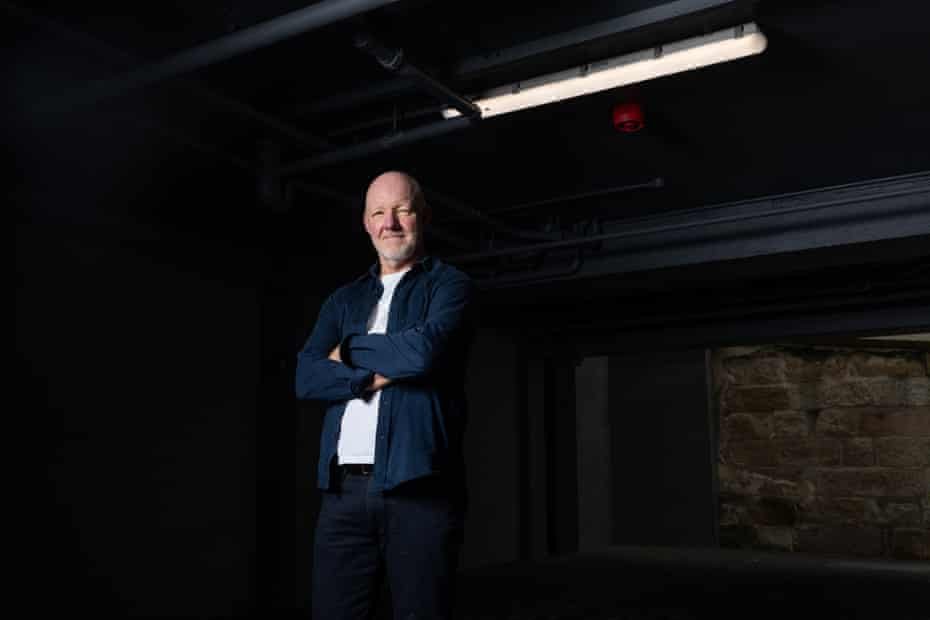
Australian author and journalist Malcolm Knox has spent his latest novels exploring one of history’s darkest political periods: Stalin’s Soviet Union. But beneath the stories of secret police, propaganda and political violence is a subject that feels remarkably contemporary—the way powerful leaders create their own version of reality.
Knox’s new novel, The Second Child, continues the story begun in his 2024 book The First Friend. Both novels use dark humor and historical fiction to examine the machinery of dictatorship, while drawing uncomfortable parallels with modern politics.
Malcolm Knox Turns Soviet History Into Political Satire
For Knox, Stalin and Lavrentiy Beria were not simply political figures. They were also extraordinary creators of narratives.
The Soviet regime constructed an alternative reality in which propaganda could determine what people were expected to believe. Knox argues that citizens had to constantly navigate the difference between what was actually happening and what they were being told was happening.
That idea forms the foundation of his fictional exploration of Stalin’s world.
The Second Child Expands the Story
The Second Child follows Melor, the daughter of the fictional character Vasil Murtov from The First Friend. She becomes the adopted daughter and confidant of Beria.
Set during the final stages of the second world war, the novel places Melor against some of the most dramatic events of the era. The story moves through the Soviet conquest of Berlin, the search for Adolf Hitler’s remains and the political negotiations surrounding the Potsdam Conference.
Knox uses these historical events not simply as background, but as opportunities to examine how governments control information and shape public memory.
Why Trump Appears in a Stalin-Era Story
One of the most striking elements of Knox’s work is its connection to contemporary American politics.
The author sees similarities between the personality cult surrounding Stalin and the politics of Donald Trump. References to slogans about making Russia great again and leaders attempting to dominate the public narrative give the historical satire a distinctly modern edge.
Knox has said that when he began writing The First Friend, he believed the Trump era might already be ending. But the continuing relevance of authoritarian politics changed the way he viewed the project.
For him, history provides a useful lens for understanding a present that can otherwise feel chaotic and difficult to interpret.
A Dark Story With an Optimistic Ending
Despite the brutality explored in his novels, Malcolm Knox remains surprisingly optimistic about the long-term fate of dictators.
His argument is that political power can create monuments, slogans and personality cults, but it cannot guarantee how future generations will remember a leader.
Stalin is an example. During his lifetime, his influence appeared almost impossible to challenge. Yet after his death, much of the personality cult surrounding him began to unravel.
Knox believes the same broader historical principle applies to modern political strongmen: their attempts to make themselves permanent can eventually become part of the reason their legacies are reassessed.