




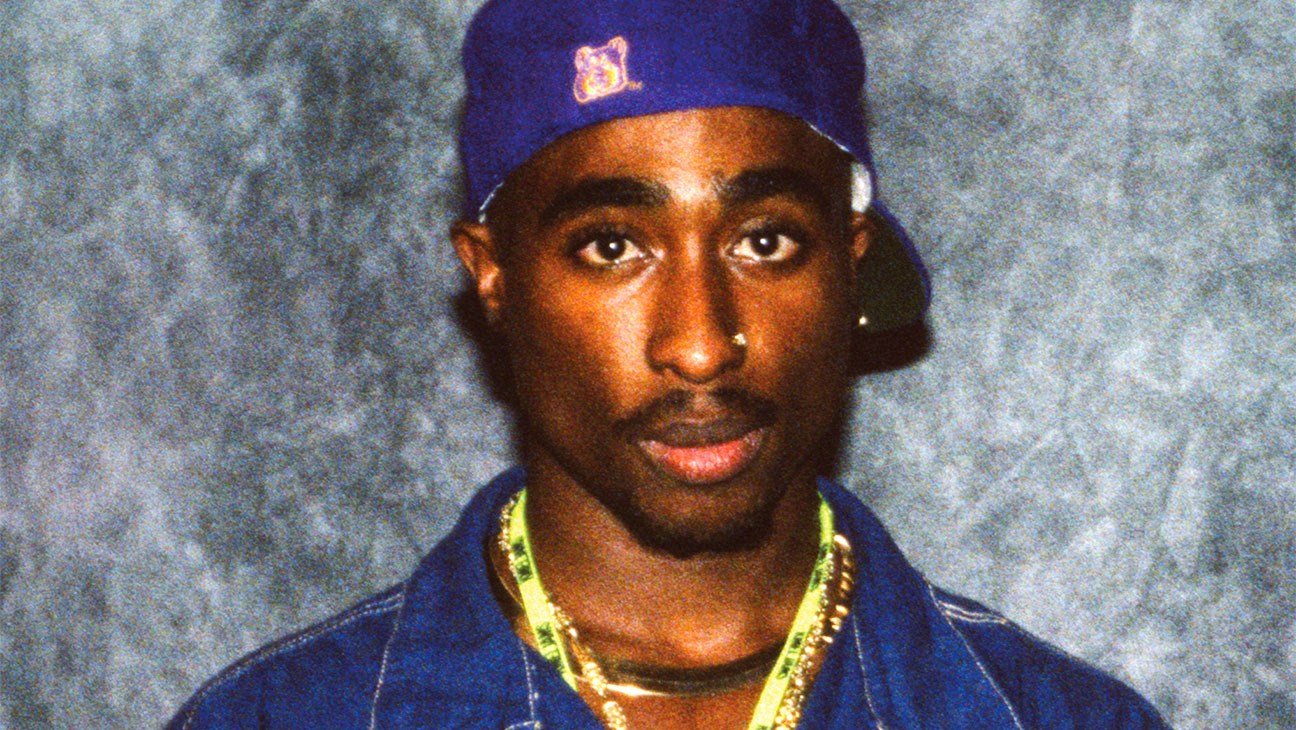
Nearly three decades after Tupac Shakur was killed in a Las Vegas drive-by shooting, the long-running murder case has finally produced a guilty verdict. A Nevada jury found Duane “Keffe D” Davis guilty of first-degree murder in connection with the 1996 killing of the legendary rapper.
The verdict marks the first conviction in a case that has remained one of the most closely watched mysteries in music history. However, while Davis has been held responsible for orchestrating the attack, several questions surrounding the shooting remain unanswered.
Duane “Keffe D” Davis Found Guilty
Davis, 63, was convicted after a Las Vegas jury deliberated for roughly three hours. Prosecutors argued that he organized the attack following an earlier confrontation involving his nephew, Orlando “Baby Lane” Anderson, and members of Tupac’s group.
Davis was not accused of personally firing the shots. Instead, prosecutors presented him as the person who helped organize the attack, supplied the firearm and directed the group that went looking for Tupac and Death Row Records co-founder Marion “Suge” Knight.
Under Nevada law, someone who helps orchestrate a killing can face a murder conviction even if they did not personally pull the trigger. Davis has said he plans to appeal the verdict.
What Happened to Tupac Shakur?
On September 7, 1996, Tupac was riding in a BMW driven by Suge Knight in Las Vegas when a white Cadillac pulled alongside their vehicle. Gunfire erupted, striking Tupac multiple times.
The rapper was taken to a hospital but died six days later at just 25 years old.
His death shocked the music industry and became intertwined with the highly publicized tensions surrounding 1990s hip-hop. The rivalry between artists and record labels associated with the East and West Coast scenes fueled years of speculation about who was ultimately responsible.
Why Was the Case Unsolved for So Long?
For years, investigators struggled to build a prosecutable case. Potential witnesses were reluctant to cooperate, while several people connected to the shooting later died.
The investigation gained new momentum largely because of Davis’s own public statements. His interviews, recorded conversations and 2019 memoir, Compton Street Legend, contained accounts of his involvement in the events surrounding the shooting.
Prosecutors used those statements as important evidence. The defense, however, argued that Davis had exaggerated or invented parts of his story for attention and financial benefit. The jury ultimately found the prosecution’s case convincing.
The Mystery Isn’t Completely Over
The guilty verdict provides a major legal development, but it does not answer every question about Tupac’s murder.
Prosecutors did not identify the person who actually fired the fatal shots. Anderson, who was long suspected of being the shooter, died in 1998 without ever being charged in Tupac’s killing. The other men believed to have been in the Cadillac have also died.
That leaves an important distinction between solving the case legally and knowing every detail of what happened that night. Davis’s conviction establishes his responsibility in orchestrating the attack, but the identity and full story of the shooter remain part of the case’s unresolved history.
A New Chapter in Tupac’s Legacy
Tupac’s influence extends far beyond the circumstances of his death. During his short career, he became one of hip-hop’s most influential voices, addressing racism, inequality, poverty, violence and social injustice alongside personal struggles and street life.