



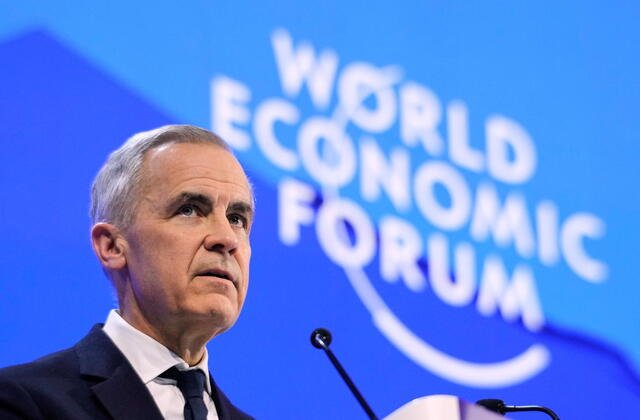
The relationship between the United States and Canada is facing another major test as President Donald Trump increases tariff pressure on Canadian goods and Prime Minister Mark Carney takes a firm position against Washington’s demands.
The latest dispute has moved beyond a traditional trade disagreement, with Canadian officials increasingly framing the conflict as a question of economic independence and national sovereignty.
Canada Pushes Back Against U.S. Tariffs
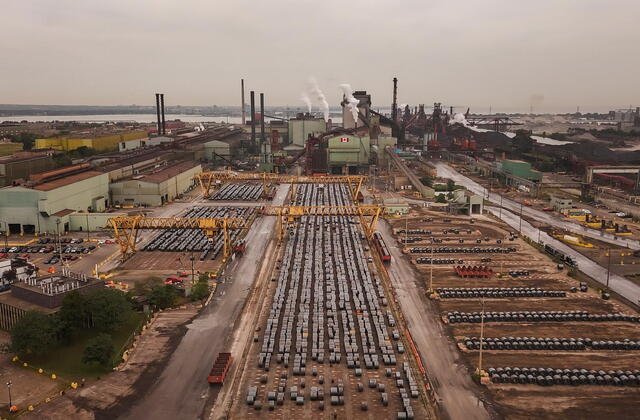
Tensions escalated after trade negotiations between Washington and Ottawa broke down. The United States imposed 50% duties on roughly $20 billion worth of Canadian goods, while Carney announced that Canada would respond with matching measures beginning September 8.
The Canadian government says it is prepared to accept some economic pressure rather than agree to conditions it considers unacceptable.
For Carney, the confrontation represents a significant test of his broader argument that middle-sized economies need to protect themselves when dealing with much larger economic powers.
Trade Dispute Becomes a Sovereignty Issue
One of the biggest points of disagreement concerns Canada’s ability to negotiate trade agreements with other countries.
Carney said the United States introduced language during the final stages of negotiations that would have limited Canada’s future trade options. Ottawa rejected the proposal, describing it as a matter of sovereignty rather than simply a commercial disagreement.
The dispute has therefore expanded from tariffs and market access into a broader debate over Canada’s economic independence.
Canada Faces Significant Economic Exposure
Standing up to Washington comes with considerable risks for Canada.
Around three-quarters of Canadian exports are destined for the United States, making the American market extremely important to Canadian companies and workers. Finding alternative customers and rebuilding supply chains outside the U.S. market would take considerable time.
Carney has acknowledged that Canada’s response could increase costs and reduce choices for consumers.
That creates a difficult balancing act: protecting national interests while limiting the economic damage caused by prolonged trade restrictions.
Washington Defends Its Position
U.S. officials have disputed Canada’s account of why negotiations collapsed.
U.S. Trade Representative Jamieson Greer said Canada introduced additional demands during the negotiations and moved away from commitments that had been discussed. Washington has also indicated that further measures could follow Canada’s retaliation.
The competing explanations suggest that a quick resolution may be difficult unless both governments find common ground on tariffs and broader trade conditions.
Canadian Public Opinion Adds Pressure
The dispute is also affecting public sentiment in Canada.
Calls to purchase Canadian products instead of American goods have gained attention, while criticism of Washington’s approach has strengthened nationalist sentiment in parts of the country. Some Canadian political leaders have encouraged consumers to support domestic businesses.
That public reaction could make it politically harder for Carney’s government to compromise if negotiations resume.
What the Dispute Means for Global Trade
The U.S.-Canada confrontation is being watched beyond North America.
Other countries are closely observing whether Canada’s strategy of resisting economic pressure can succeed despite its dependence on the U.S. market. The outcome could influence how other middle-sized economies approach future trade negotiations with larger powers.
For businesses, continued uncertainty could affect supply chains, investment decisions, pricing and cross-border commerce.
What Comes Next?
The immediate future will depend on whether Washington and Ottawa return to meaningful negotiations.
Canada is preparing retaliatory measures while the United States has signaled that additional action could be possible. That raises the risk of a prolonged trade dispute that could affect businesses and consumers in both countries.
For Mark Carney, the challenge is not simply negotiating better tariff terms. It is demonstrating whether Canada can withstand significant economic pressure while maintaining control over its own trade policy.