



The United States and Canada have entered one of the most serious trade disputes in their modern relationship. What began with tariff threats and disagreements over border security has developed into a broader confrontation involving automobiles, metals, agriculture, manufacturing and the future of North American trade.
The latest escalation came after trade negotiations between Washington and Ottawa collapsed, prompting the United States to impose new 50% tariffs on about $20 billion of Canadian goods. Canada has announced plans for retaliatory measures beginning September 8.
Here is how the dispute developed.
Early 2025: Tariff Threats Begin
After returning to the White House, President Donald Trump quickly placed Canada at the center of his trade agenda.
The administration initially threatened broad tariffs on Canadian imports, citing concerns including illegal immigration, fentanyl trafficking and the U.S. trade relationship with Canada.
In March 2025, major U.S. tariffs on Canadian products took effect, triggering retaliation from Ottawa. The measures immediately created uncertainty for manufacturers and companies operating across the world’s longest international border.
Steel, Aluminum and Autos Become Major Flashpoints
The dispute soon expanded beyond general imports.
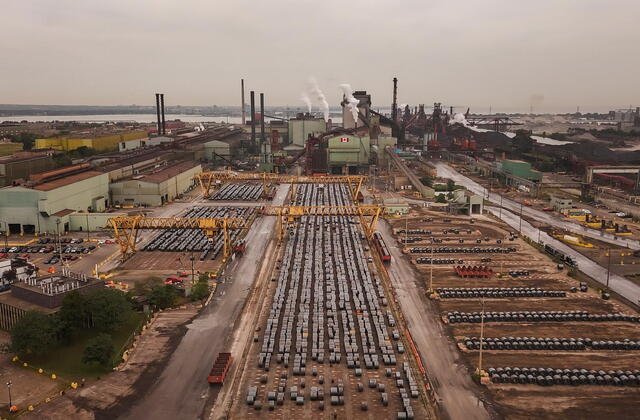
The Trump administration introduced significant tariffs affecting Canadian steel and aluminum, while the automobile industry also became a major point of tension.
Because American and Canadian automotive supply chains are deeply connected, tariffs on vehicles and components created concerns for manufacturers on both sides of the border.
Canada responded with its own trade measures, increasing pressure on businesses that depend on cross-border supply chains.
2026: Trade Negotiations Continue
Despite the escalating tariffs, Washington and Ottawa continued negotiating.
The two countries also faced the need to address the future of their broader North American trade framework. Canada sought to protect its access to the U.S. market while avoiding commitments that Ottawa believed could restrict its ability to conduct an independent trade policy.
For businesses, negotiations offered the possibility of greater stability, but uncertainty remained.
February 2026: U.S. Tariff Policy Faces a Legal Setback
A major development came when the U.S. Supreme Court struck down a number of tariffs imposed under the administration’s emergency-powers approach.
The decision changed the legal landscape surrounding Trump’s trade policy, but it did not end the administration’s willingness to use other legal authorities to impose duties on imports.
Washington subsequently continued pursuing targeted tariff measures affecting specific industries and trading partners.
August 2026: Talks Move Toward a Breaking Point
By August, negotiations between the United States and Canada had become increasingly difficult.
The two governments disagreed over several issues, including tariff relief, automobile trade and Canada’s ability to pursue independent agreements with other countries.
The situation deteriorated rapidly as both sides blamed the other for introducing unacceptable demands during negotiations.
August 22: New 50% U.S. Tariffs Take Effect
After negotiations collapsed, the United States imposed new 50% tariffs on approximately $20 billion worth of Canadian goods.
The affected products include a wide range of consumer and industrial goods, while certain categories remain exempt.
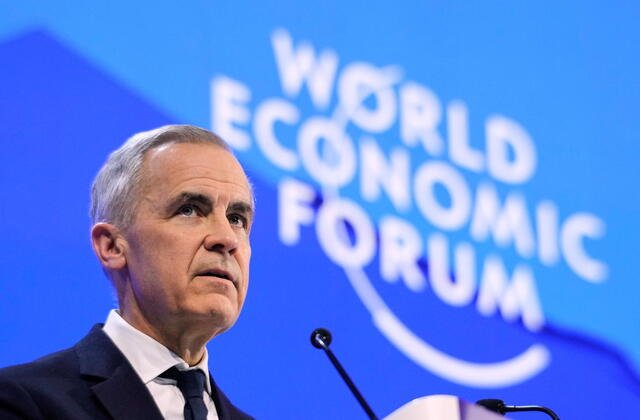
Canadian Prime Minister Mark Carney responded by announcing that Canada would introduce matching tariffs on selected U.S. imports beginning September 8.
Why the Dispute Matters
The economic relationship between the United States and Canada is unusually integrated.
Manufacturers in both countries depend on cross-border supplies, particularly in the automotive, energy, metals and industrial sectors.
Higher tariffs can increase costs for businesses, disrupt established supply chains and potentially raise prices for consumers. Economists have warned that prolonged trade restrictions could create additional economic pressure on both sides.
The Auto Industry Faces Fresh Uncertainty
Automobiles have become one of the most sensitive areas of the dispute.
Vehicle production in North America relies heavily on parts moving between the United States, Canada and Mexico. New duties could therefore affect manufacturers, suppliers and workers across multiple states and provinces.
Washington has also threatened additional tariffs on Canadian vehicles, trucks, auto parts and steel, adding another layer of uncertainty for the industry.
What Happens Next?
The immediate question is whether Washington and Ottawa can return to negotiations or whether the latest tariffs will trigger a longer period of economic confrontation.
Canada has signaled that it is prepared to retaliate while continuing to protect its broader economic interests. The United States, meanwhile, has shown little indication that tariff pressure will disappear from its trade strategy.
For businesses, the biggest concern is uncertainty. Companies planning investments, sourcing materials or managing cross-border operations must now consider the possibility that tariff rates and trade rules could change again.
The U.S.-Canada relationship has historically been built around deep economic integration. Whether that relationship can absorb the latest trade conflict will depend on the willingness of both governments to return to negotiations and find a sustainable agreement.