




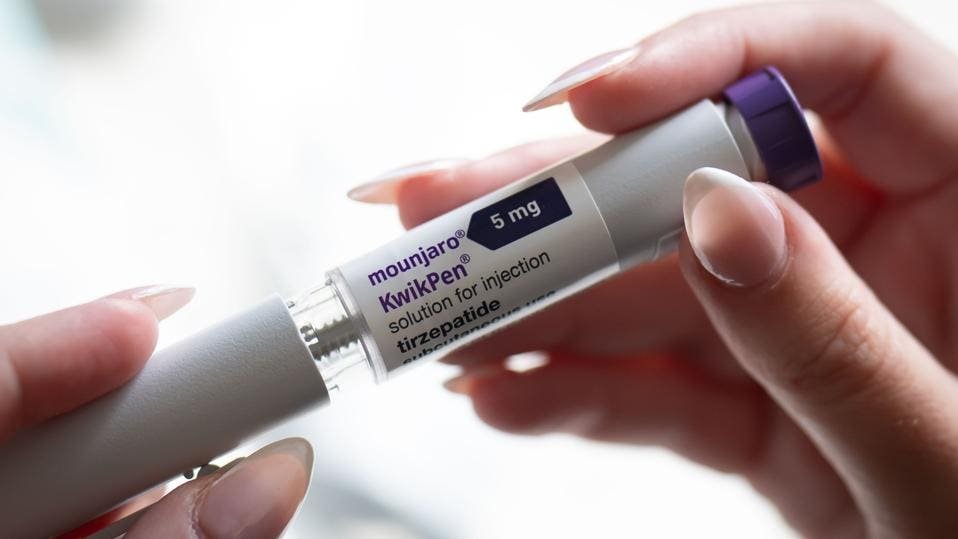
The Mounjaro FDA approval has expanded the role of Eli Lilly’s widely used diabetes medication, adding an important cardiovascular benefit for certain adults living with type 2 diabetes. On August 28, 2026, the U.S. Food and Drug Administration approved Mounjaro (tirzepatide) to reduce the risk of major cardiovascular events in adults with type 2 diabetes who are at high risk.
The updated approval means Mounjaro can now be prescribed not only to help manage blood sugar but also to lower the risk of serious heart-related outcomes, including cardiovascular death, nonfatal heart attack and nonfatal stroke.
What the Mounjaro FDA Approval Means
Mounjaro contains tirzepatide, a medication that acts on both GIP and GLP-1 pathways. It has already become an important treatment for blood sugar management in people with type 2 diabetes, while its effects on weight have also contributed to its growing popularity.
The new FDA decision broadens its approved use for people with type 2 diabetes who face elevated cardiovascular risk. This is significant because diabetes is closely associated with heart disease, heart attack and stroke.
According to reports, the approval was supported by a large international clinical trial involving more than 13,000 participants. The study found that tirzepatide reduced major cardiovascular events by an additional 8% compared with Lilly’s older diabetes medication, Trulicity (dulaglutide).
Mounjaro and Cardiovascular Health
Heart disease remains a major concern for people with type 2 diabetes, making cardiovascular protection an increasingly important part of diabetes care.
The new indication places Mounjaro alongside other diabetes and GLP-1-based medications that have received approvals related to cardiovascular risk reduction. Forbes notes that medications in this broader class are increasingly being studied and approved for benefits that extend beyond blood sugar and weight management.
Researchers are continuing to investigate how these medications may influence cardiovascular health. Potential factors include improvements in blood sugar, body weight and other metabolic measures, although the exact mechanisms behind cardiovascular benefits can vary between medications.
What Patients Should Know
The expanded approval does not mean Mounjaro is appropriate for everyone with diabetes or that people should start the medication solely for heart protection.
Mounjaro remains a prescription medication, and treatment decisions should be made with a qualified health care professional. Doctors can consider a patient’s diabetes control, cardiovascular risk, medical history, current medications and other individual factors before determining whether tirzepatide is appropriate.
Mounjaro can also cause side effects, particularly gastrointestinal symptoms, so medical supervision remains important.
A Broader Role for Diabetes Medications
The Mounjaro FDA approval reflects a broader shift in diabetes treatment. Medications originally developed primarily for glucose management are increasingly being evaluated for their potential effects on cardiovascular and other health outcomes.
For adults with type 2 diabetes and high cardiovascular risk, the new indication could provide another treatment option that addresses both metabolic and heart-health concerns. However, medication remains only one part of cardiovascular care, alongside appropriate nutrition, physical activity, regular medical monitoring and management of other risk factors.
As research into tirzepatide and other GLP-1-based therapies continues, their role in managing chronic metabolic and cardiovascular conditions may continue to expand.