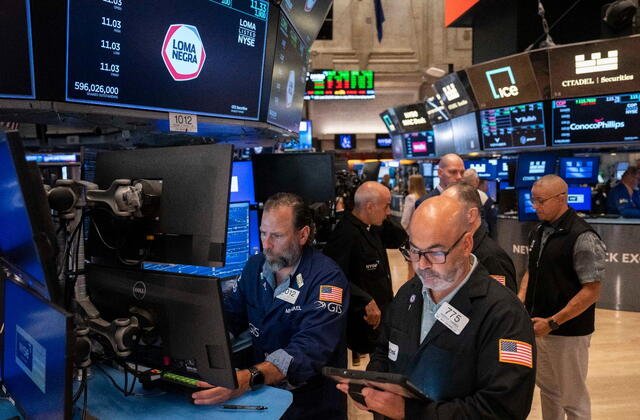




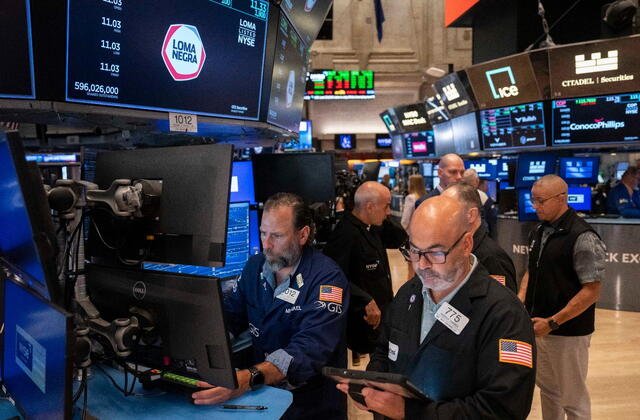
Asian stock markets mostly moved higher Wednesday, led by a powerful rebound in South Korean shares, while oil prices climbed as investors assessed economic developments and ongoing geopolitical risks.
South Korea’s Kospi surged about 4%, making it one of the strongest performers in the region. The advance came as investors increased their exposure to technology and semiconductor stocks, helping lift broader market sentiment.
South Korean Stocks Lead the Regional Rally
The Kospi was the standout performer among major Asian markets, gaining around 4% during the session.
Technology and semiconductor companies were among the main contributors to the rally. Investors have continued to show strong interest in companies connected to the global artificial intelligence boom, particularly manufacturers involved in advanced chips and computing infrastructure.
The rebound provided relief after recent volatility across global technology markets.
Other Asian Markets Also Move Higher
The positive sentiment extended to several other Asian markets, although gains were more modest.
Investors continued to monitor developments in Japan, China, Hong Kong and other major markets while assessing corporate earnings, economic data and expectations for global interest rates.
The overall performance reflected renewed appetite for stocks following recent uncertainty in global markets.
Oil Prices Move Higher
Oil prices also advanced during the session.
Brent crude rose around 0.9% to approximately $89.67 per barrel, while U.S. benchmark crude gained about 0.9% to around $83.98.
Higher oil prices can have a significant effect on inflation because energy costs influence transportation, manufacturing and other parts of the economy.
Investors Await U.S. Inflation Data
One of the biggest factors influencing markets this week is upcoming U.S. inflation data.
Investors are looking for clues about the future direction of interest rates and whether the Federal Reserve could have room to adjust monetary policy.
Lower inflation could strengthen expectations for easier monetary policy, potentially supporting stocks and other risk-sensitive assets. Persistent price pressures, however, could keep interest rates higher for longer.
Technology Stocks Remain in Focus
The strong performance of South Korean shares highlights the continuing importance of technology stocks to Asian markets.
Demand for artificial intelligence infrastructure has created significant opportunities for semiconductor manufacturers and technology suppliers. Investors are closely watching corporate earnings and future spending plans to determine whether the AI investment cycle can continue.
The sector remains attractive, but its rapid gains have also raised concerns about valuations.
Geopolitical Risks Remain
Despite the market gains, investors continue to monitor geopolitical developments that could affect global trade and energy supplies.
Oil markets remain particularly sensitive to developments in the Middle East. Any significant disruption to energy supplies could push crude prices higher and create additional inflationary pressure.
That could complicate decisions for central banks around the world.
Global Markets Remain Sensitive to Economic Data
The latest Asian rally comes as investors attempt to balance strong corporate growth prospects against uncertainty surrounding inflation, interest rates and geopolitical risks.
Market participants are likely to remain cautious until more economic data becomes available.
A continued decline in inflation could support equity markets, while unexpected increases in energy or consumer prices could trigger renewed volatility.
What Comes Next?
For now, Asian markets have received a boost from the strong performance of technology stocks, particularly in South Korea.
Investors will continue watching U.S. inflation figures, oil prices, corporate earnings and central-bank policy for signs of where global markets could move next.
The combination of strong semiconductor demand and enthusiasm surrounding artificial intelligence remains an important positive factor for Asian equities, but higher oil prices and geopolitical uncertainty remain key risks.