


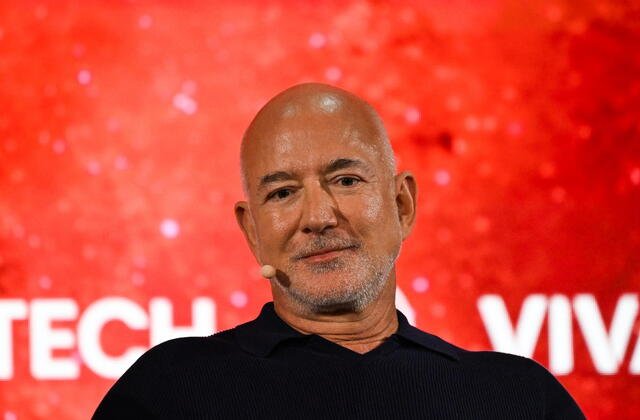
Amazon founder Jeff Bezos and Facebook co-founder Eduardo Saverin are joining a consortium that has agreed to acquire a minority stake in Liverpool Football Club, marking Bezos’ first major investment in a professional sports team.
1892 Holdings Leads the Investment
The investment is being made through 1892 Holdings, a consortium led by British-Indian businessman Amit Bhatia. The group includes investments from Bhatia and the Mittal Family Trusts, K5 Sports, with Bezos as the lead investor in the fund, and EE Capital, the family office of Eduardo and Elaine Saverin.
Liverpool’s current owner, Fenway Sports Group, will continue to hold the majority stake and retain operational control of the club.
Bezos Makes His First Sports Investment
For Bezos, the Liverpool deal represents his first entry into professional sports ownership.
The Amazon founder has previously been linked with potential purchases of major American sports franchises, but those discussions did not result in a completed investment. His involvement with Liverpool gives him exposure to one of the world’s most commercially valuable football clubs.
Bezos remains the lead investor in K5 Sports, which is participating in the Liverpool investment.
Eduardo Saverin Joins the Consortium
Eduardo Saverin, who co-founded Facebook, is another major investor involved in the group.
Saverin brings significant technology and investment experience to the consortium. His involvement adds another prominent global entrepreneur to Liverpool’s growing group of minority investors.
The investment reflects the increasing interest of technology billionaires and global investors in major sports franchises.
Liverpool Valued at Billions
The transaction reportedly values Liverpool at several billion dollars, underlining the extraordinary financial growth of elite European football.
Liverpool is one of the most successful clubs in English football, with a global fan base and substantial commercial, broadcasting and sponsorship revenues.
The club’s international reach makes it an attractive asset for investors looking for long-term opportunities in global sports and entertainment.
Amit Bhatia Brings Football Experience
Amit Bhatia, who leads the consortium, has previous experience in English football.
He was involved with Queens Park Rangers for many years before stepping away from the club. His experience in football ownership gives the consortium a leader familiar with the business and operational side of the sport.
Bhatia said the group is making the investment because it has strong confidence in Liverpool, its leadership and its long-term prospects.
FSG Retains Control
Despite the new investment, Liverpool will not immediately have a new majority owner.
Fenway Sports Group will remain in control of the club and continue overseeing its operations. FSG has owned Liverpool since 2010, when it acquired the club for around £300 million.
The new investors are expected to work with FSG and Liverpool’s leadership on opportunities related to the club’s growth both on and off the pitch.
Potential Impact on Liverpool
The investment could strengthen Liverpool’s commercial and international ambitions.
Bezos and Saverin have extensive experience in technology, business and global investment, while the wider consortium brings expertise from finance and sports.
The club could benefit from new ideas surrounding international marketing, technology, digital engagement and commercial partnerships.
However, the investment does not mean Liverpool can simply increase spending without restrictions. Premier League financial regulations continue to govern how clubs can use their revenues and investment resources.
A New Chapter for Liverpool
The arrival of Bezos and Saverin highlights the growing financial appeal of global football.
Liverpool already operates as one of the world’s best-known sports brands, and bringing together major investors from technology, finance and international business could create new opportunities for the club.
For now, FSG remains in operational control, while the new consortium becomes an important minority investor with a long-term interest in Liverpool’s future.
The deal represents another significant step in the globalization of football ownership and demonstrates how major technology and investment fortunes are increasingly moving into the sports industry.