



Asian markets traded mostly higher on Tuesday as investors balanced geopolitical uncertainty surrounding new U.S. pressure on Iran with expectations surrounding major technology earnings and upcoming economic developments.
Markets across the Asia-Pacific region showed a mixed but generally positive tone, while U.S. stock futures edged higher. Investors remained cautious as they assessed the potential economic impact of new sanctions announced by Washington and watched movements in global energy prices.
Asian Markets Show Mixed Performance
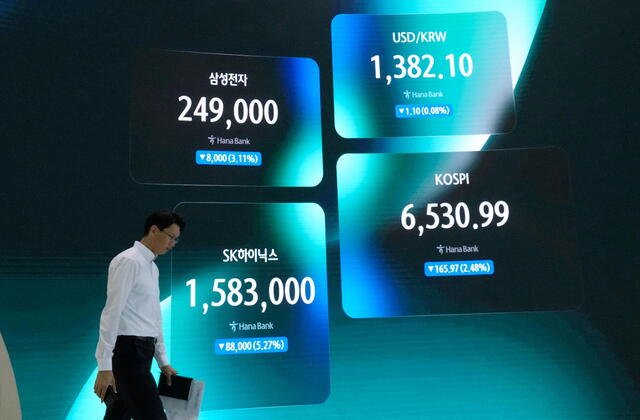
Japan’s Nikkei 225 gained about 0.5%, while South Korea’s Kospi advanced around 0.7% after recovering from earlier weakness. Australia’s S&P/ASX 200 also moved higher, while Taiwan’s Taiex recorded a stronger gain.
Hong Kong’s Hang Seng remained close to unchanged and China’s Shanghai Composite posted a modest increase. India’s Sensex, meanwhile, slipped slightly during the session.
The uneven performance reflects continued caution among investors, particularly as markets prepare for several potentially important developments later this week.
U.S.-Iran Tensions Keep Oil Markets in Focus
Energy markets remained closely linked to developments involving Iran.
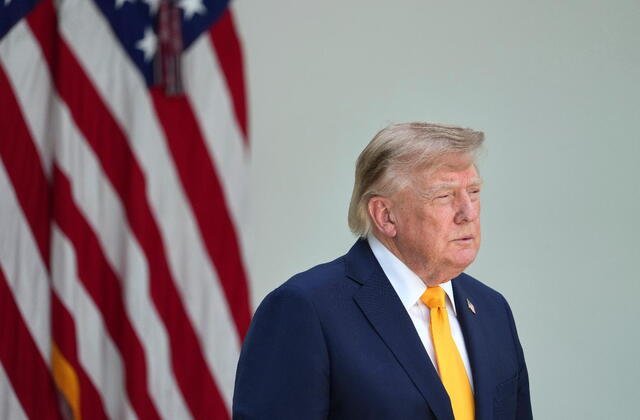
U.S. Treasury Secretary Scott Bessent announced additional sanctions against Iran and warned that businesses and countries continuing certain dealings with Tehran could face further consequences. The measures have increased attention on Iran’s role in global energy markets and the possible effects on international trade.
Despite the geopolitical pressure, crude oil prices were relatively stable after falling during the previous session. Reuters reported Brent crude around $92 a barrel and U.S. crude near $85 during Tuesday’s trading.
For investors, the key question is whether further restrictions could disrupt oil supplies or create additional volatility across global markets.
Technology Stocks Remain Under Pressure
Technology stocks were another major focus for investors.
U.S. markets ended Monday with mixed results, with the S&P 500 declining 0.3% and the Nasdaq Composite falling 0.8%. Technology companies led much of the decline as investors continued debating whether valuations in the artificial-intelligence sector have moved too high.
Nvidia is particularly important this week because the chipmaker is scheduled to release its quarterly results on Wednesday. Investors are watching closely to determine whether the company’s rapid growth can continue to justify high expectations surrounding the AI industry.
Investors Await Key Economic Signals
Beyond corporate earnings, markets are also looking toward upcoming signals from the Federal Reserve. Investors are particularly interested in comments expected from Fed Chair Kevin Warsh at the Jackson Hole symposium, where inflation and monetary policy are likely to remain important topics.
At the same time, bond markets have shown some signs of easing after recent concerns over U.S. Treasury yields and government debt.
What Comes Next for Global Markets?
For now, investors appear to be balancing three major themes: geopolitical developments involving Iran, the direction of oil prices, and the outlook for technology earnings.
A sustained increase in geopolitical tensions could place additional pressure on energy markets, while stronger-than-expected corporate earnings could provide support for equities.
The coming days are therefore likely to remain important for investors as markets respond to new economic data, central-bank signals, corporate earnings and developments in the Middle East.